Precision stone cutting has become increasingly important across industries such as architectural decoration, luxury interior design, monument manufacturing, kitchen countertop fabrication, custom furniture production, and artistic stone processing. As customer expectations continue to rise, manufacturers are no longer judged only by production capacity, but also by edge quality, dimensional accuracy, material utilization, processing flexibility, and the ability to handle complex designs efficiently.
Modern stone processing is no longer limited to straight cuts on granite or marble slabs. Today’s projects often involve intricate curves, seamless joints, ultra-thin stone panels, inlays, bevels, 3D shapes, and customized decorative patterns. Because of this, selecting the right precision stone cutting machine has become one of the most critical investment decisions for fabrication workshops and stone manufacturers.
However, there is no single machine that is perfect for every application. Different cutting technologies offer different advantages depending on material type, production scale, processing complexity, precision requirements, and budget considerations. Waterjet cutting machines, bridge saws, CNC stone machining centers, laser systems, and diamond wire cutting machines all play important roles in the modern stone industry.
Understanding the strengths and limitations of each technology helps manufacturers choose equipment that truly matches their production goals rather than simply purchasing the most expensive or most advanced system available.
Why Precision Matters in Stone Cutting
Stone is one of the most challenging materials to process accurately. Unlike metal or plastic, natural stone contains inconsistent internal structures, varying hardness levels, veins, hidden fractures, and brittle characteristics. Even small cutting errors can lead to expensive material waste or visible defects in finished products.
In high-end architectural and decorative projects, precision directly affects installation quality, aesthetic appearance, and structural integrity. Poor edge quality can ruin visible surfaces. Inaccurate dimensions can create joint alignment problems during installation. Excessive heat generated during cutting may even cause discoloration or microcracks in sensitive materials.
Precision stone cutting machines are designed not only to cut material efficiently, but also to maintain consistency throughout the production process. The ideal machine should minimize vibration, reduce material stress, maintain edge smoothness, and achieve repeatable accuracy over long production cycles.
The type of stone being processed also significantly influences machine selection. Granite requires high cutting force and durability. Marble demands clean cutting with minimal chipping. Quartz requires stable precision due to its engineered density. Sintered stone often combines hardness with brittleness, creating unique processing challenges.
Because different materials behave differently during processing, machine selection should always begin with understanding actual production requirements rather than simply focusing on machine specifications.
Waterjet Cutting Machines for Precision Stone Processing
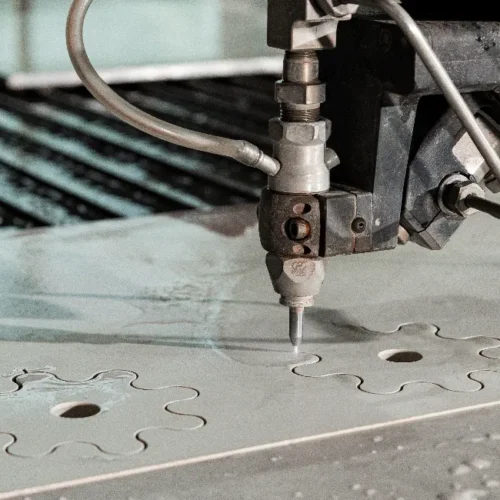
Waterjet cutting technology has become one of the most advanced solutions for precision stone cutting, especially for manufacturers working with complex designs and high-end customized products. Unlike traditional thermal or mechanical cutting methods, waterjet systems use ultra-high-pressure water combined with abrasive particles to erode material gradually without generating heat.
One of the biggest advantages of waterjet cutting is its cold-cutting process. Since no thermal energy is introduced into the material, there is no risk of heat-affected zones, discoloration, burning, or internal stress deformation. This is particularly important when processing premium marble, engineered quartz, porcelain slabs, and delicate decorative stone materials.
Waterjet cutting machines excel in applications that require intricate curves, sharp corners, detailed inlays, medallions, artistic mosaics, and complex geometric patterns. The extremely narrow kerf width also improves material utilization, which becomes especially valuable when working with expensive imported stone materials.
Another important advantage is versatility. A single waterjet system can process granite, marble, quartz, ceramic, glass, metal, composites, and sintered stone without changing tools. This flexibility allows fabrication workshops to expand service capabilities without investing in multiple specialized machines.
Five-axis waterjet systems further improve cutting capability by enabling bevel cutting, angle compensation, 3D contour cutting, and taper correction. These features are increasingly important for luxury architectural applications and seamless countertop fabrication.
However, waterjet cutting is not always the fastest solution for simple straight-line production. The cutting speed can be slower compared to bridge saws when processing large quantities of basic cuts. Operating costs are also influenced by abrasive consumption, high-pressure pump maintenance, and water filtration systems.
For manufacturers focused on high-value customization, artistic stone processing, precision architectural projects, and flexible multi-material production, waterjet technology is often the best long-term investment despite the higher initial equipment cost.
Bridge Saws for High-Volume Stone Fabrication
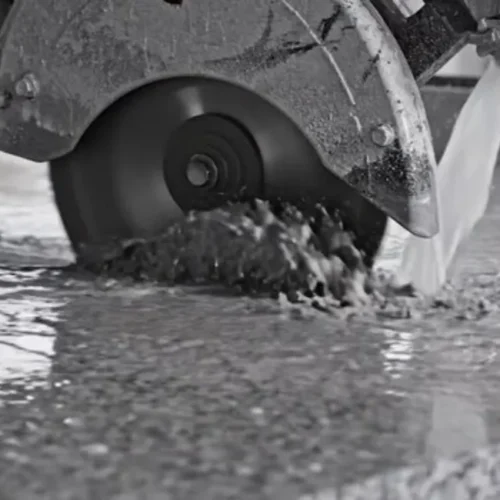
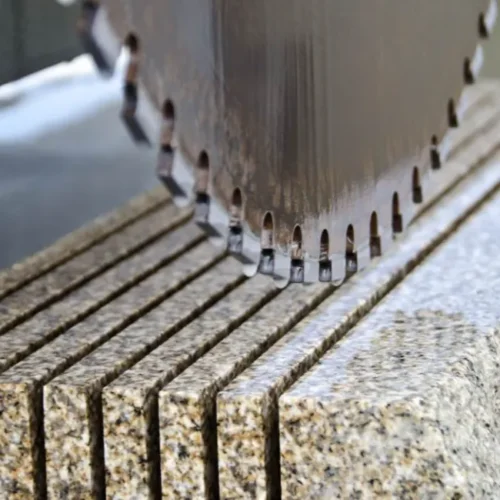
Bridge saws remain one of the most widely used machines in the stone processing industry because of their efficiency, simplicity, and strong productivity for standard cutting applications. These machines primarily use diamond saw blades to perform straight cuts, miters, bevels, and slab sizing operations.
For many countertop manufacturers and stone workshops, bridge saws form the backbone of daily production. Their ability to process granite, marble, quartz, and engineered stone quickly makes them highly suitable for high-volume manufacturing environments.
Modern CNC bridge saws have evolved significantly compared to traditional manual systems. Advanced models now include automatic nesting software, programmable cutting paths, rotating heads, vacuum slab handling systems, and integrated measuring functions. These improvements increase both cutting accuracy and production efficiency.
Bridge saws are particularly effective for straight cuts, repetitive production tasks, sink cutouts, and slab dimensioning. Their cutting speed is generally much faster than waterjet systems when dealing with simple geometries. For companies primarily producing kitchen countertops, vanity tops, flooring panels, or standardized construction materials, bridge saws often provide the best balance between productivity and operating cost.
Another advantage is lower operating complexity. Compared to waterjet systems, bridge saws typically require less operator training and lower maintenance costs. Diamond blades are relatively easy to replace, and machine structures are mechanically straightforward.
However, bridge saws have limitations in precision artistic cutting. Tight internal corners, highly intricate curves, and complex decorative patterns are difficult or impossible to achieve with traditional saw blades. Mechanical contact during cutting may also increase the risk of edge chipping, especially on brittle materials or delicate finishes.
For manufacturers focused on mass production, standard countertop fabrication, and fast straight-line processing, bridge saws remain one of the most practical and cost-effective solutions available.
CNC Stone Machining Centers for Advanced Fabrication
CNC stone machining centers represent a more advanced level of automation and multifunctional processing in the stone industry. Unlike machines designed solely for cutting, machining centers integrate cutting, drilling, milling, polishing, engraving, edge profiling, and shaping into a single system.
These machines are commonly used in high-end stone fabrication facilities where complex processing workflows require multiple operations on the same workpiece. Instead of transferring slabs between different machines, CNC machining centers can complete multiple tasks automatically within one production cycle.
One major advantage of CNC stone machining centers is precision automation. Advanced software integration allows manufacturers to process highly customized projects with consistent repeatability. This is especially valuable for luxury countertops, carved architectural elements, bathroom products, custom furniture components, and artistic stone applications.
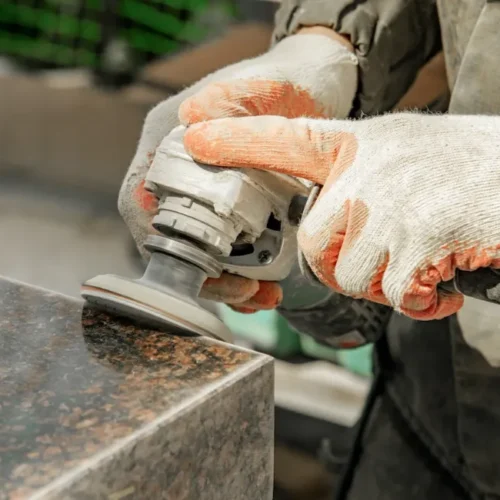
The ability to perform edge polishing and surface finishing directly within the machine also reduces manual labor requirements. Automated tool changers further improve productivity by allowing seamless transitions between different processing stages.
Another strength is 3D processing capability. Complex relief carving, curved edge profiles, integrated sink shaping, and decorative engraving can all be performed with high accuracy. As modern architecture increasingly demands customized stone aesthetics, CNC machining centers have become essential for premium fabrication businesses.
However, these systems involve higher investment costs and more complicated programming requirements. Operators often require advanced technical training, and maintenance complexity is greater compared to simpler cutting systems.
Production speed can also vary depending on the complexity of operations. While machining centers provide exceptional flexibility, they may not always be the fastest solution for large-scale repetitive slab cutting.
For companies focused on premium customization, automated production, and integrated processing workflows, CNC stone machining centers provide outstanding long-term value and production flexibility.
Laser Cutting Machines in Stone Processing
Laser cutting technology is widely associated with metal fabrication, but it also has certain applications within the stone industry, particularly for engraving, marking, and surface decoration.
Unlike waterjet or saw-based systems, laser machines rely on concentrated thermal energy to remove material. In stone processing, lasers are more commonly used for surface engraving rather than deep structural cutting because stone materials generally require very high energy levels for penetration.
Laser systems are highly effective for creating decorative textures, logos, patterns, artistic engravings, and fine surface details on marble, granite, slate, and ceramic materials. The non-contact nature of laser processing reduces mechanical stress and enables extremely fine detailing.
In architectural decoration and memorial stone production, laser engraving offers excellent visual precision and repeatability. Customized artistic designs, photographs, and branding elements can be permanently engraved onto stone surfaces with high clarity.
However, laser technology has significant limitations in full-depth stone cutting. Thermal energy can create burn marks, discoloration, or microfractures, especially in sensitive natural stone materials. Cutting thickness capability is also relatively limited compared to waterjet systems or diamond saws.
Operating costs can be high due to energy consumption and specialized optical maintenance requirements. Laser systems also struggle with highly reflective or inconsistent natural materials.
For manufacturers focused on decorative engraving, artistic customization, and surface processing rather than heavy structural cutting, laser technology can serve as a valuable supplementary solution within a broader stone fabrication workflow.
Diamond Wire Cutting Machines for Large Stone Blocks
Diamond wire cutting machines are primarily designed for quarrying operations and large-scale stone block processing. These systems use steel cables embedded with diamond segments to slice through extremely large stone masses efficiently.
In natural stone extraction and primary processing environments, diamond wire technology offers several advantages over traditional blasting or mechanical splitting methods. The cutting process is relatively smooth, controlled, and capable of handling massive granite or marble blocks with reduced waste.
Large architectural stone manufacturers also use wire cutting systems to divide oversized blocks into manageable slabs before secondary fabrication begins. The technology performs particularly well when processing thick materials that exceed the capabilities of standard saw blades.
One important advantage is reduced vibration. Compared to aggressive mechanical cutting methods, diamond wire systems generate lower structural stress within the material, reducing the risk of cracking in valuable natural stone blocks.
However, diamond wire machines are not intended for fine precision work or decorative detailing. Their primary role is bulk material separation rather than finished product fabrication. Secondary processing with bridge saws, CNC systems, or waterjet machines is typically required afterward.
For quarry operators, large slab suppliers, and companies processing massive stone blocks, diamond wire technology remains one of the most efficient and economically viable solutions available.
How Different Stone Materials Influence Machine Selection
The type of stone being processed plays a major role in determining which cutting technology is most appropriate. Different materials respond differently to heat, vibration, pressure, and mechanical force.
Granite is extremely hard and abrasive, requiring machines with strong structural rigidity and durable cutting components. Bridge saws and waterjet systems both perform well for granite processing, though waterjets offer better flexibility for intricate designs.
Marble is softer but more fragile. Excessive vibration or poor blade quality can easily cause chipping or cracking. Waterjet cutting is often preferred for decorative marble work because of its smooth cold-cutting characteristics.
Quartz and engineered stone materials demand stable precision and clean edges. CNC bridge saws and machining centers are commonly used due to their efficiency and repeatability.
Sintered stone has become increasingly popular in modern architecture, but its density and brittleness create processing challenges. Waterjet systems often provide superior edge quality and reduced fracture risk for this material category.
Glass and composite decorative materials also benefit from waterjet technology because of its non-thermal cutting process.
Understanding the physical behavior of each material is essential for selecting equipment that delivers both productivity and long-term product quality.
How to Choose the Right Machine for Your Business
Choosing the right precision stone cutting machine should always begin with analyzing actual production needs rather than simply comparing machine specifications.
Manufacturers focused on high-volume standard countertop production often benefit most from bridge saw systems because of their speed and operational simplicity.
Companies specializing in luxury customization, artistic stone work, or multi-material processing usually gain greater long-term value from waterjet technology.
Fabricators requiring integrated automation and advanced multifunctional processing often choose CNC machining centers despite the higher investment cost.
Quarry operators and large slab suppliers generally rely on diamond wire cutting systems for primary material processing.
Budget considerations are also important, but initial purchase price alone should never determine equipment selection. Operating costs, maintenance complexity, training requirements, production flexibility, and future expansion capability all influence total return on investment.
Manufacturers should also evaluate software compatibility, automation potential, local technical support, spare parts availability, and upgrade scalability before making final purchasing decisions.
A machine that perfectly matches production requirements often generates far greater profitability than an oversized system with unnecessary complexity.
Why Waterjet Technology Is Becoming Increasingly Popular in Stone Fabrication
As architectural design trends continue moving toward customization, curved geometry, seamless integration, and mixed-material aesthetics, waterjet cutting technology is becoming increasingly important within modern stone fabrication.
Traditional cutting systems remain highly effective for standard production tasks, but they often struggle with the flexibility demanded by modern high-end projects. Waterjet systems bridge this gap by offering exceptional precision, broad material compatibility, and advanced contour cutting capability.
The growing use of sintered stone, porcelain slabs, engineered materials, and composite architectural products has also accelerated waterjet adoption. Many of these materials are difficult to process with conventional thermal or mechanical methods without edge damage or stress fractures.
Five-axis waterjet systems further expand production possibilities by enabling bevel cuts, invisible joints, and advanced 3D processing capabilities that are increasingly required in luxury architecture and custom interior design.
Although operating costs can be higher, many manufacturers view waterjet technology as a strategic investment that improves competitiveness, expands service offerings, and enables higher-value projects.
Conclusion
Precision stone cutting is no longer defined by simple straight cuts or basic slab processing. Modern fabrication demands flexibility, efficiency, edge quality, automation, and the ability to handle increasingly complex materials and designs.
Waterjet cutting machines, bridge saws, CNC machining centers, laser systems, and diamond wire cutting machines each offer unique advantages depending on production goals and application requirements.
Bridge saws remain highly effective for fast and economical standard fabrication. CNC machining centers provide advanced multifunctional automation for premium customization. Laser systems support decorative engraving applications, while diamond wire machines dominate large-scale block processing.
Among these technologies, waterjet cutting stands out for its versatility, cold-cutting precision, and ability to process complex shapes across a wide range of materials without thermal damage.
Ultimately, the best machine is not necessarily the most advanced or most expensive, but the one that aligns most closely with your production workflow, target market, material types, and long-term business strategy. Manufacturers that choose equipment based on real operational needs rather than marketing trends are far more likely to achieve sustainable productivity, higher product quality, and long-term competitive advantage in the evolving stone fabrication industry.