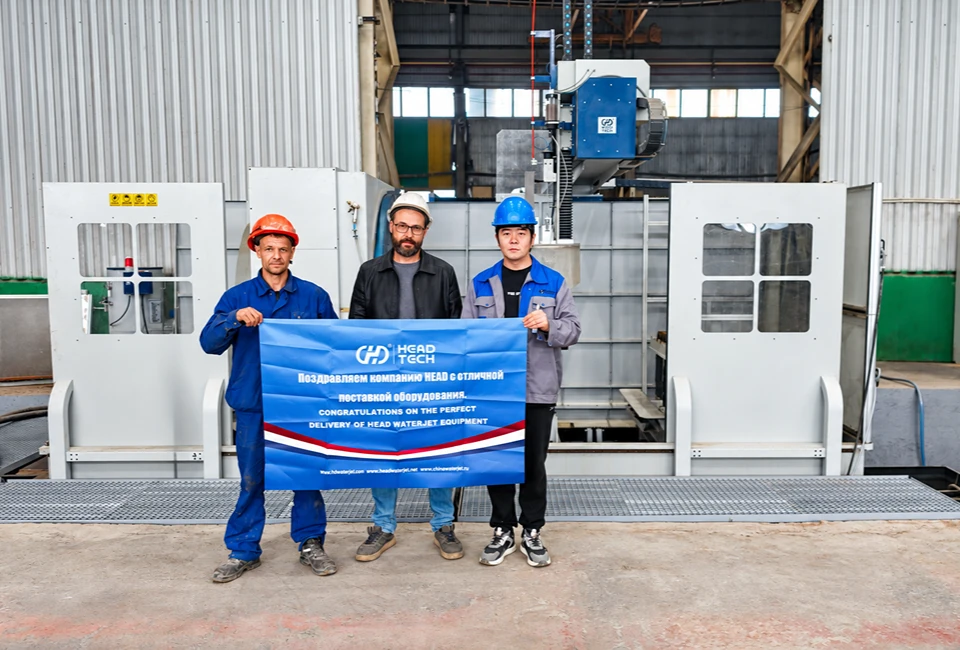
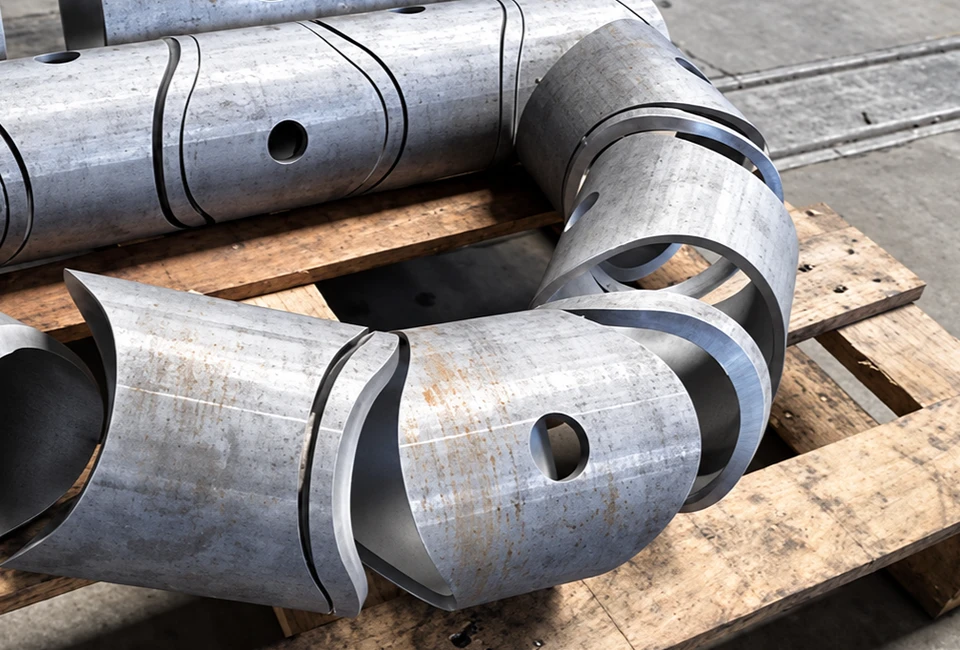
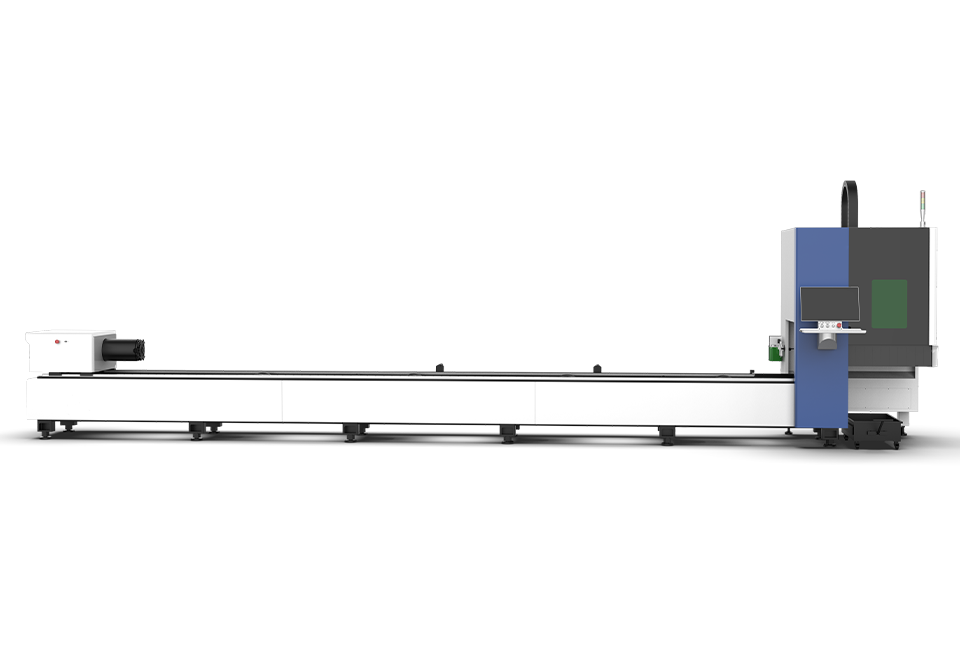
The customer is a Chinese investment company affiliated with an Australian steel group, focusing on steel-related applications. The project features the HEAD1010BA-BG waterjet cutting machine for tensile test sample preparation, providing a solution for cutting steel specimens according to specified dimensions and testing requirements.
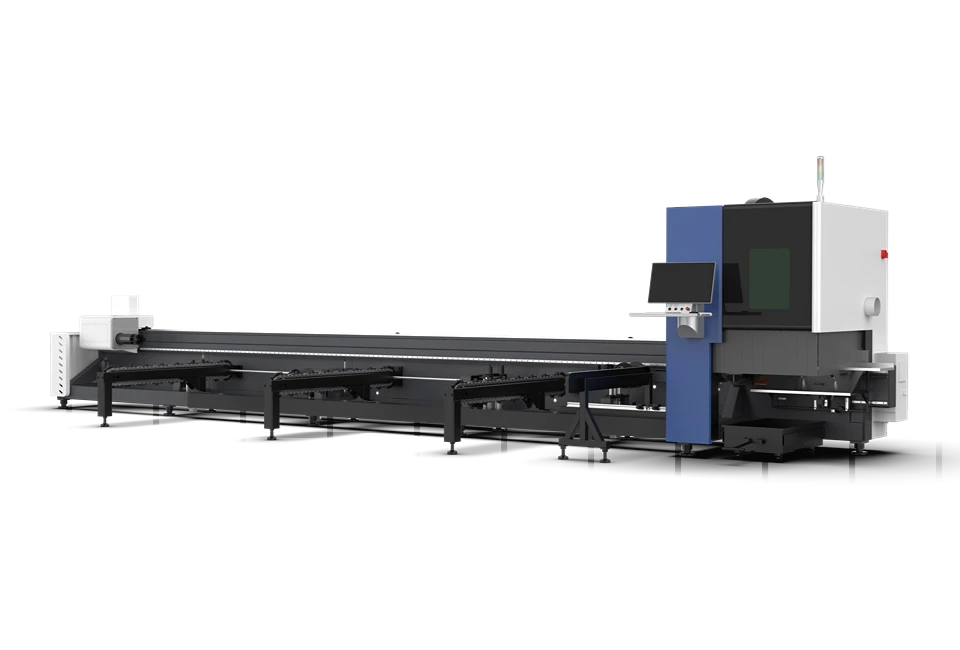
HEAD CNC 针对这些实际的生产难题,开发了定制化的管材切割解决方案。通过评估工件、切割工艺、处理方法、运动系统及操作环境,我们帮助客户确定适合其应用场景的设备结构和配置。.

– Minimize thermal influence during steel pipe specimen preparation
– Accommodate different pipe geometries during sample cutting
– Measure pipe surface height along a predefined scanning path
– Support controlled positioning during cutting
– Improve the consistency of the sample preparation workflow
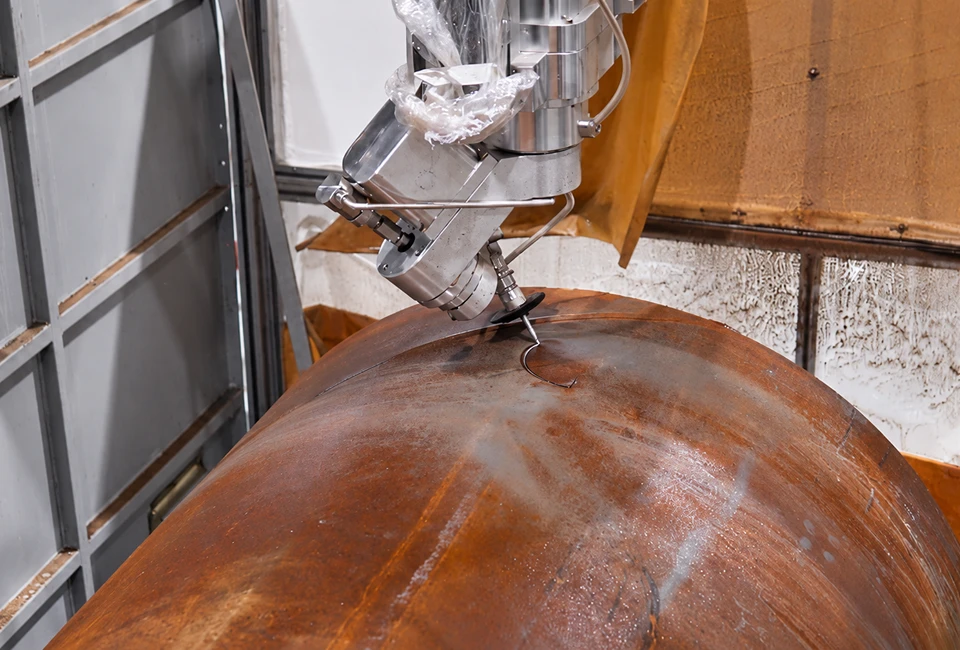
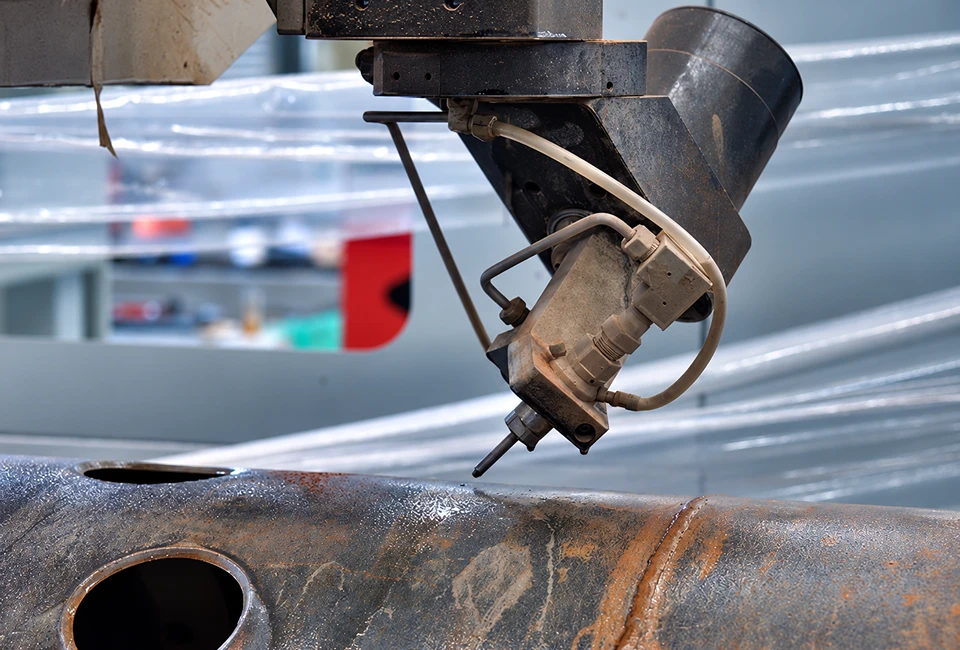
Waterjet cold cutting avoids concentrated thermal energy, helping minimize heat-related changes near the cut edge during specimen preparation.
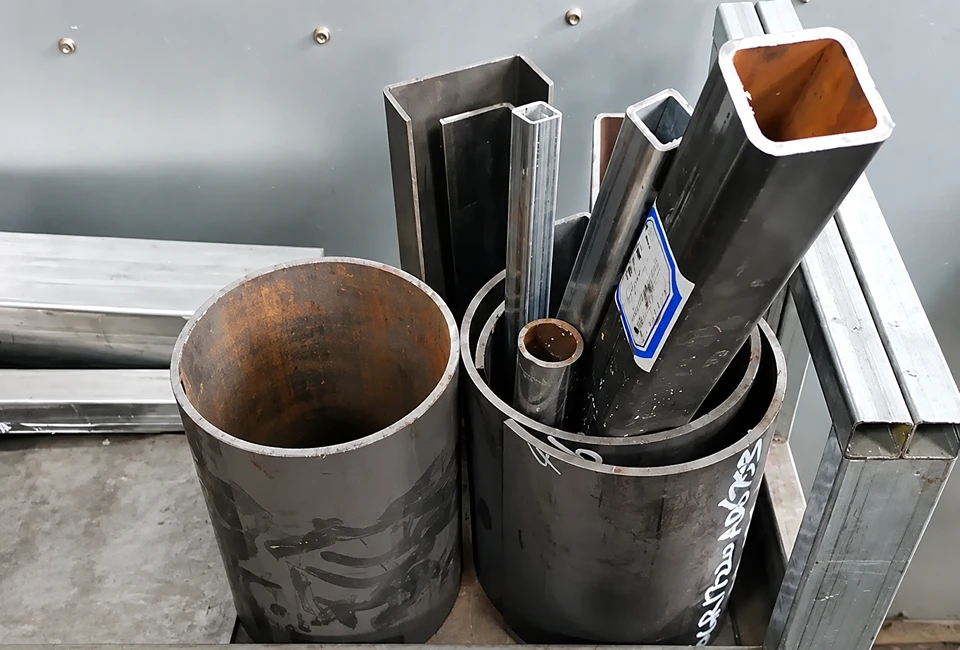
Round and square steel pipes have different surface shapes and positioning requirements, making accurate workpiece setup essential for consistent cutting.
Laser height measurement scans the workpiece along a predefined path, identifying surface-height variations and providing positional feedback during cutting.
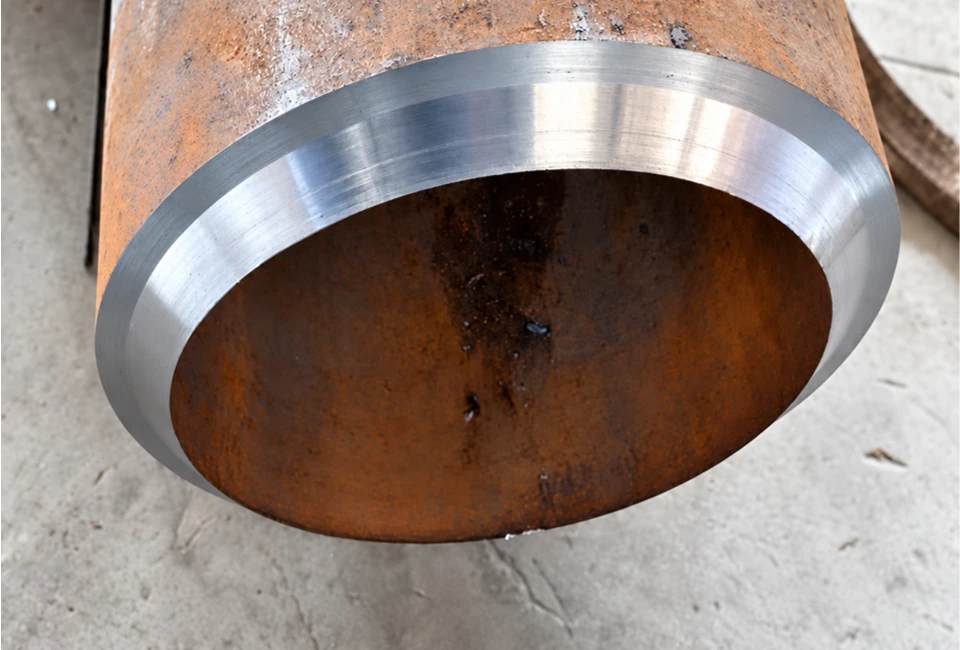
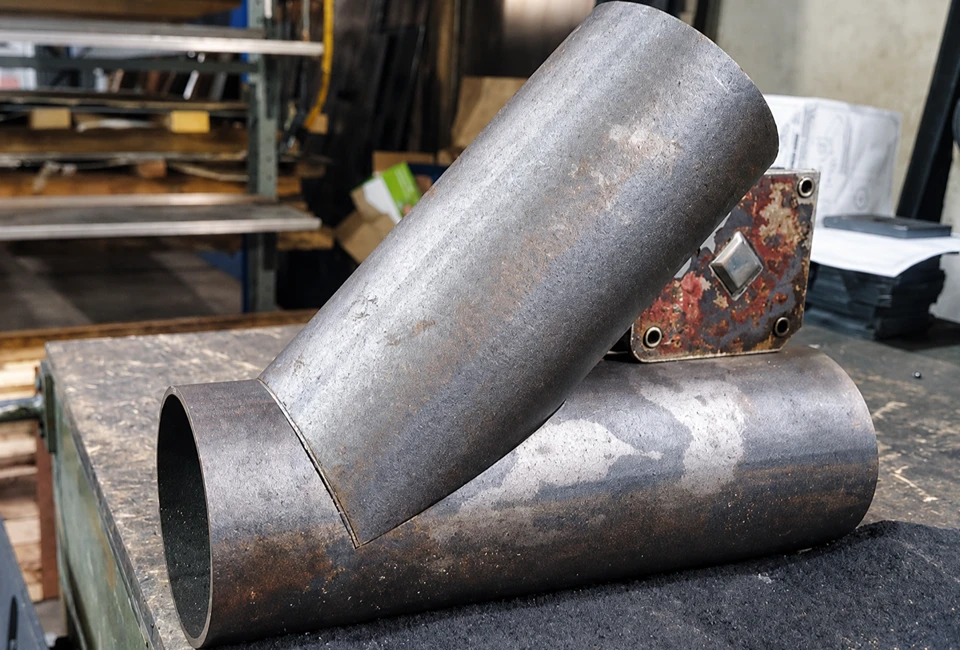
Cutting paths and workpiece positioning are determined according to pipe dimensions, specimen drawings, and applicable testing standards to meet required sample geometries.
Combining waterjet cutting and laser height measurement in one system helps coordinate specimen preparation, streamline repeated operations, and support consistent quality inspection.
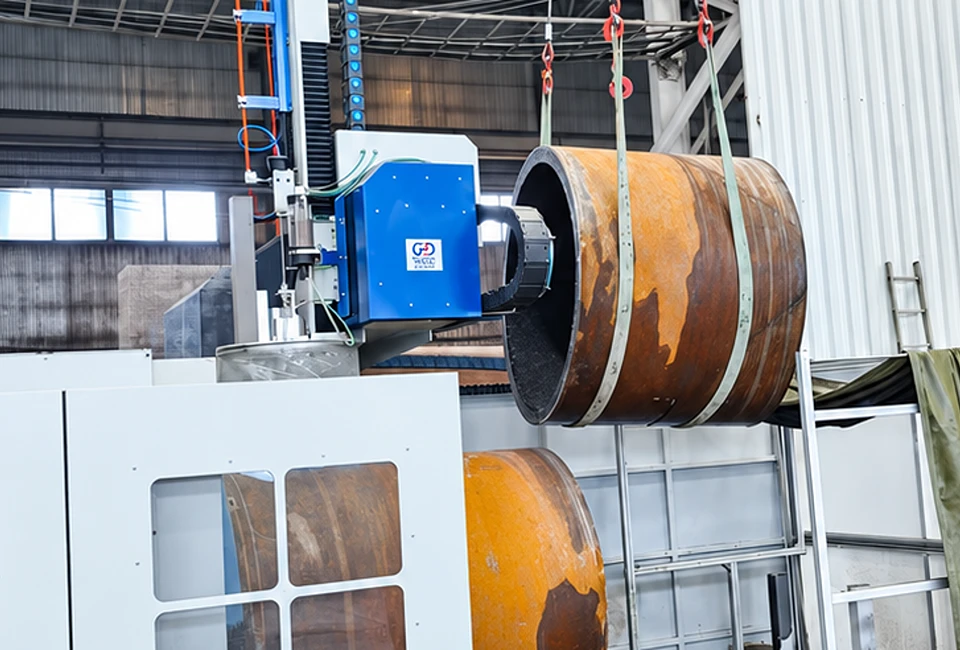
该项目需要一套管道切割装置,既能处理重型工件,又能确保在旋转切割过程中保持稳定的定位。主要的技术考虑包括如何支撑管道、在加工过程中将其固定,以及如何协调管道旋转与切割头的运动。仅靠传统的平面切割工作台,无法满足此类应用所需的完整工件处理和旋转切割方案。.
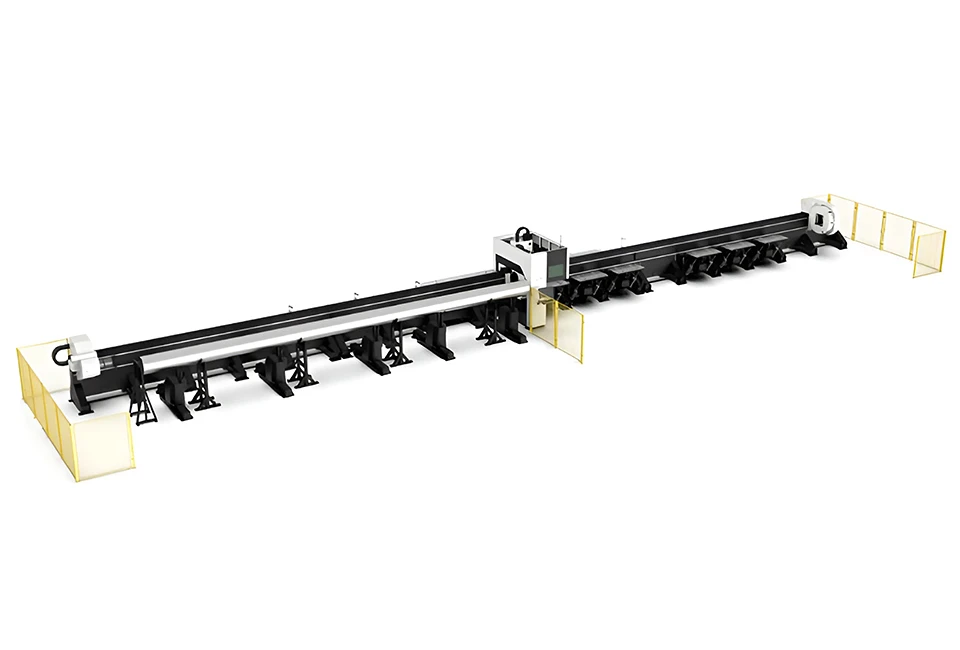
HEAD公司以5轴数控切割系统为核心,结合高强度中空旋转系统、同步双电机驱动、三爪卡盘和可调滚轮支撑,配置了SP-C HEAD3020SA机型。 该旋转系统的额定最大承载能力高达5,000公斤,而全闭环伺服控制系统则确保了加工过程中的精确定位。公布的机床规格包括±0.1毫米的切割精度和±0.03毫米/500毫米的复位精度。.
该解决方案将管件支撑、夹紧、旋转运动和数控切割集成于一个工作站中,为重型管材加工和特定切割轮廓提供了协调一致的加工方案。.
HEAD 会对整个切割工艺进行综合评估,而非仅根据管材直径来选型。所提出的系统是围绕工件、所需的切割工序、处理条件以及生产目标而设计的。.
Confirm the pipe specifications, specimen drawing, required dimensions, and applicable testing standard.
Set up the workpiece according to the selected cutting arrangement and measurement requirements.
Use laser height measurement to establish a reference point and scan along the predefined path.
Execute the programmed cutting path with positional feedback supporting the cutting process.
Check the specimen against the required dimensions and applicable acceptance criteria before tensile testing.